January 03-07, 2024 | The Hawai'i Convention Center, Honolulu, Hawaii, United States
Right at the start of 2024, academics, professionals, and graduate students came together at The 9th IAFOR International Conference on Education (IICE2024), which was held alongside The 4th IAFOR International Conference on Arts & Humanities (IICAH2024) in Hawaii to discuss pressing issues in these fields, exchange ideas, and network.
Kālewa Correa is the Curator of Hawai’i and the Pacific for the Smithsonian Institution's Asian Pacific American Center. He graduated from the University of Hawai'i at Mānoa Kamakakūʻokalani Center for Hawaiian Studies, where he focused on Hawaiian traditional society and politics. He also holds advanced degrees in Information Science and Education Technology. As Curator of Hawai’i and the Pacific, Correa's primary program is the Digital Storytelling Initiative called "Our Stories." This initiative aims to elevate the voices of Pacific Islanders on a national and international stage through mixed media formats such as film, podcasting, composition, and mixed reality.
Dr Chih-Pu Dai is an Assistant Professor in the Department of Learning Design and Technology at the University of Hawaiʻi at Mānoa. His research interests include Artificial Intelligence (AI) in Education, Extended Reality, Game-Based Learning and Simulation-Based Learning.
Specifically, he designs and studies immersive and experience-oriented advanced learning technologies to enhance teaching and learning in science, technology, engineering, and mathematics (STEM) fields for diverse K-12 and adult learners. He aims to support and enhance learning with design features and solutions, as well as with the applications of AI and machine learning techniques in advanced learning technologies. As such, in a research project, he examines the effects of learning support for preservice teachers when they practise teaching in virtual reality with AI-powered virtual student agents.
Dr Dai uses quantitative, qualitative, mixed-methods, and AI and machine learning approaches to address research questions. His work has been published in academic journals such as Computers & Education, Educational Technology Research & Development, British Journal of Educational Technology, Computers & Education: Artificial Intelligence, and International Journal of Artificial Intelligence in Education. In addition, he speaks at conferences of International Society of the Learning Sciences, American Educational Research Associations, and Association for Educational Communications and Technology.
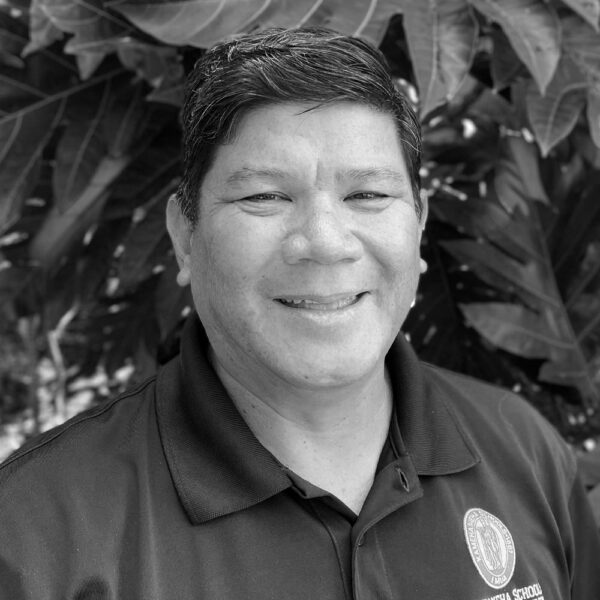
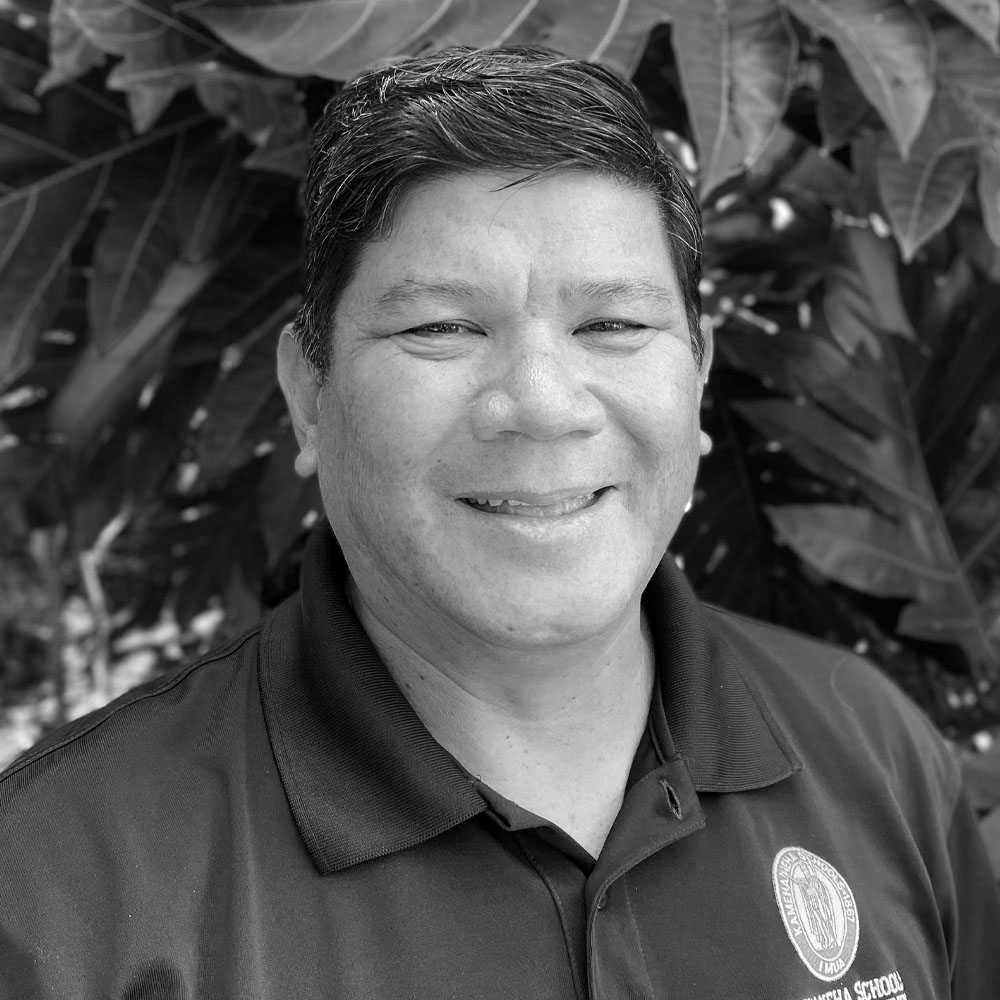
Mark K. Ellis was born, raised, and currently lives with his ʻohana in Nuʻuanu, Oʻahu. He is a husband and father of four children. Mark is a crew member and student of navigation with the Polynesian Voyaging Society. He is a past Fellow of the First Nations’ Futures Institute at Stanford University. Mark received an undergraduate degree in Organisational Development and a master’s degree in Instructional Technology and Design. He is currently a Sr. Instructional Designer with Kamehameha Schools.
Kali Fermantez
Brigham Young University–Hawaii, United States
Biography
Dr Kali Fermantez is an Associate Professor at Brigham Young University – Hawaii (BYU-H) and enjoys working in his home community (he is from Hauʻula). He has been teaching in the Jonathan Nāpela Center for Hawaiian & Pacific Studies since 2009. His research has consistently focused on the connections between place, culture, and identity in Hawaiʻi and the broader Pacific.
Dr Dorothy So Hirata is the Instructional Design Manager with the University of Hawaiʻi System’s Online Innovation Center where she leads the instructional design team. She works cross-functionally with diverse faculty, staff, and administrators to support system-wide strategic online learning initiatives and professional development opportunities that contribute to quality learning across the ten campuses.
Dr Hirata also serves as an adjunct faculty for the University of Hawaiʻi at Mānoa’s College of Education, Learning Design and Technology Department and has developed and facilitated online graduate courses. Her certifications as a Quality Matters (QM) Higher Education Master Reviewer and K-12 Course Reviewer provide her with the opportunity to conduct quality course design reviews with faculty interested in improving their online courses. Dr Hirata's interest also includes accreditation work, where she serves as a subject specialist with the Distance Education Accrediting Commission.
Prior to joining the University of Hawaiʻi, Dr Hirata worked for 15 years at Kamehameha Schools, a private school that served pre-K to 12 learners. She obtained three degrees from the University of Hawaiʻi at Mānoa, a B.Ed. in Secondary Education, a M.Ed. in Educational Technology, and a Ph.D. in Curriculum and Instruction with an emphasis in online learning.
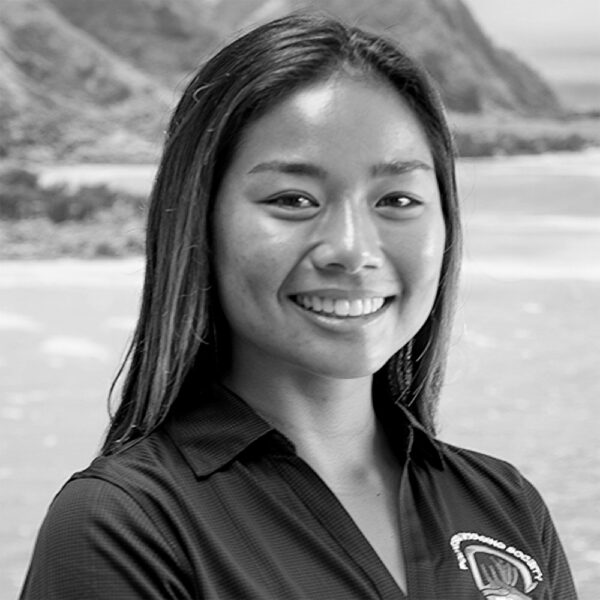
Kai Hoshijo is 25 years old and hails from Niu Valley, Oahu. She is a student of navigation and a volunteer crew member with the Polynesian Voyaging Society on wa'a kaulua Hōkūle'a and Hikianalia. She currently works on projects with the Hawai'i Coral Reef Initiative as well as outreach and restoration efforts with the Maunalua Fishpond Heritage Center. Kai received her Bachelor of Science and Masters of Science in Natural Resources and Environmental Management in 2019 and 2022 respectively. Her work compiled Konohiki fishing practices and governance of Niu ahupua'a through archival data and interviewing. Kai loves being in the ocean: in her free time, she goes voyaging, surfs, dives, teaches pottery and loves working in her yard.
Michael Menchaca is Chair of the Department of Learning Design and Technology at the University of Hawai'i at Manoa. He specialises in distance education, and has designed, implemented, and coordinated online and hybrid programs for over 20 years. He serves as editor for the IAFOR Journal of Education: Technology in Education Edition. He was an IT specialist for many years in the public and private sector. He teaches and conducts research in the areas of online learning, technology integration, and social justice with technology.
Dr Esprit Saucier is an Associate Professor at Brigham Young University–Hawaii (BYU-H). Her master's research included studying adaptations of intertidal sea anemones. She completed a PhD studying gene flow of isolated populations of deep-sea coral. Her research interests involve using phylogenetics and morphological characters to understand the evolutionary history of anthozoans, particularly deep-sea corals; exploring the invasions and radiations of shallow water anthozoans to deep oceans and visa versa, and examining the population and species level differences at both the genetic and morphological level.
Featured Panel Presentation: Mark Ellis, Kai Hoshijo, Robin Watson (Moderator)
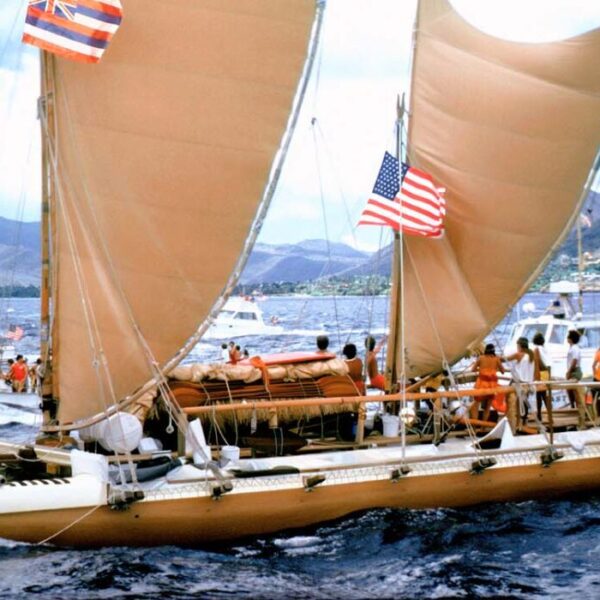
This panel consists of educators who are also Polynesian Voyaging Society crew members and have sailed on the Moananuiākea Voyage. The panellists will give an overview of the voyage and share their insights that they have learned from the legs of the voyage that they have sailed on. Legs span from the far north towns of Yakutat, Alaska to large metropolitan cities in Southern California. Panel members will also talk about the next steps of the voyage and future legs.
Questions of Education, Curation, and Artificial Intelligence
Featured Interview: Kālewa Correa, Joseph Haldane
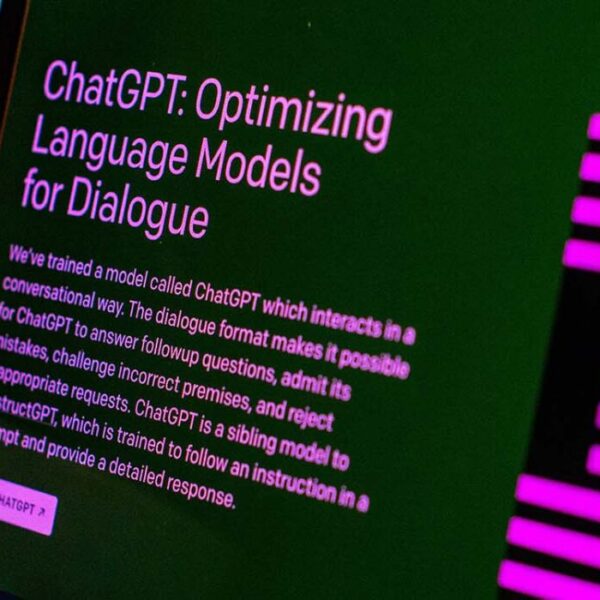
On this panel, Joseph Haldane, Chairman and CEO of IAFOR, will be joined by Kālewa Correa, Curator of Hawai'i and the Pacific for the Smithsonian Institution's Asian Pacific American Center, as well as a special guest… the latest publicly available version of ChatGPT.
The discussion will focus around historically, politically, and culturally contentious questions of education and curation in the contemporary context, including the implications of AI and its growing authoritative role and voice. This will include an examination of the role of programmers and prompt engineers as curators and censors, and a questioning of the premise and promise of unfiltered access to knowledge.
Featured Panel Presentation: Chih-Pu Dai, Dorothy Hirata, Paul McKimmy, Michael Menchaca
Three educational technology practitioners with differing institutional roles (executive, system support, and faculty) from the University of Hawaiʻi - Mānoa share their advice for educators on coping with and leveraging Artificial Intelligence (AI) tools in academia. Panellists will provide brief comments on their approaches to AI, ideas on coping with academic integrity implications, and a favourite AI tool for making academic work more efficient. The following discussion will be moderated by Dr Michael Menchaca, Chair of UHM’s Department of Learning Design and Technology.
Featured Panel Presentation: Kali Fermantez, Esprit Saucier, Tialei Scanlan (Moderator)
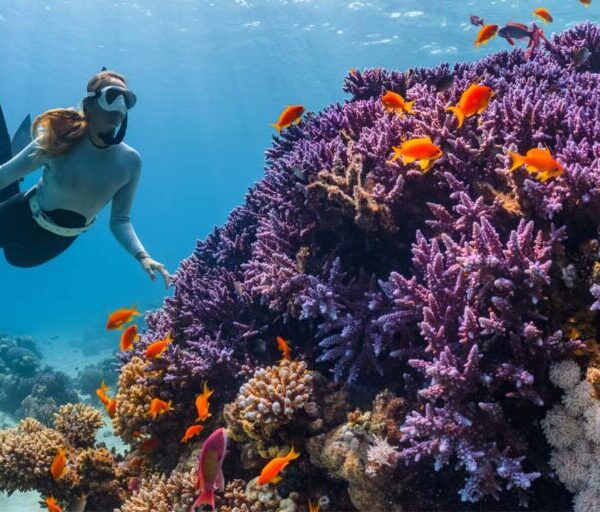
This joint session will focus on Hawaiian culture and coral reefs in the Hawaiian archipelago. Participants will learn about Hawaiian culture, history, values, and practices through oral and practical traditions of the Hawaiian People as expressed in their chants, songs, music, art, crafts, food, language, and hospitality. Coral reefs in the Hawaiian archipelago comprise over 80% of U.S. coral reefs and span over 2,000km [1,200 miles]. This session will also cover basic coral reef ecology and will help participants examine the population and species level differences of deep-sea coral. Hawaiian reefs possess some of the most abundant levels of marine endemic species in the world and shelter over 700 species of fish, 400 species of algae, and over 2,000 species of invertebrates. Our coral reefs are not only important to protecting our shoreline from storms and wave damage but also provide economic benefits to our local communities through marine tourism and nearshore fisheries.


 Kālewa CorreaSmithsonian Institution, United States